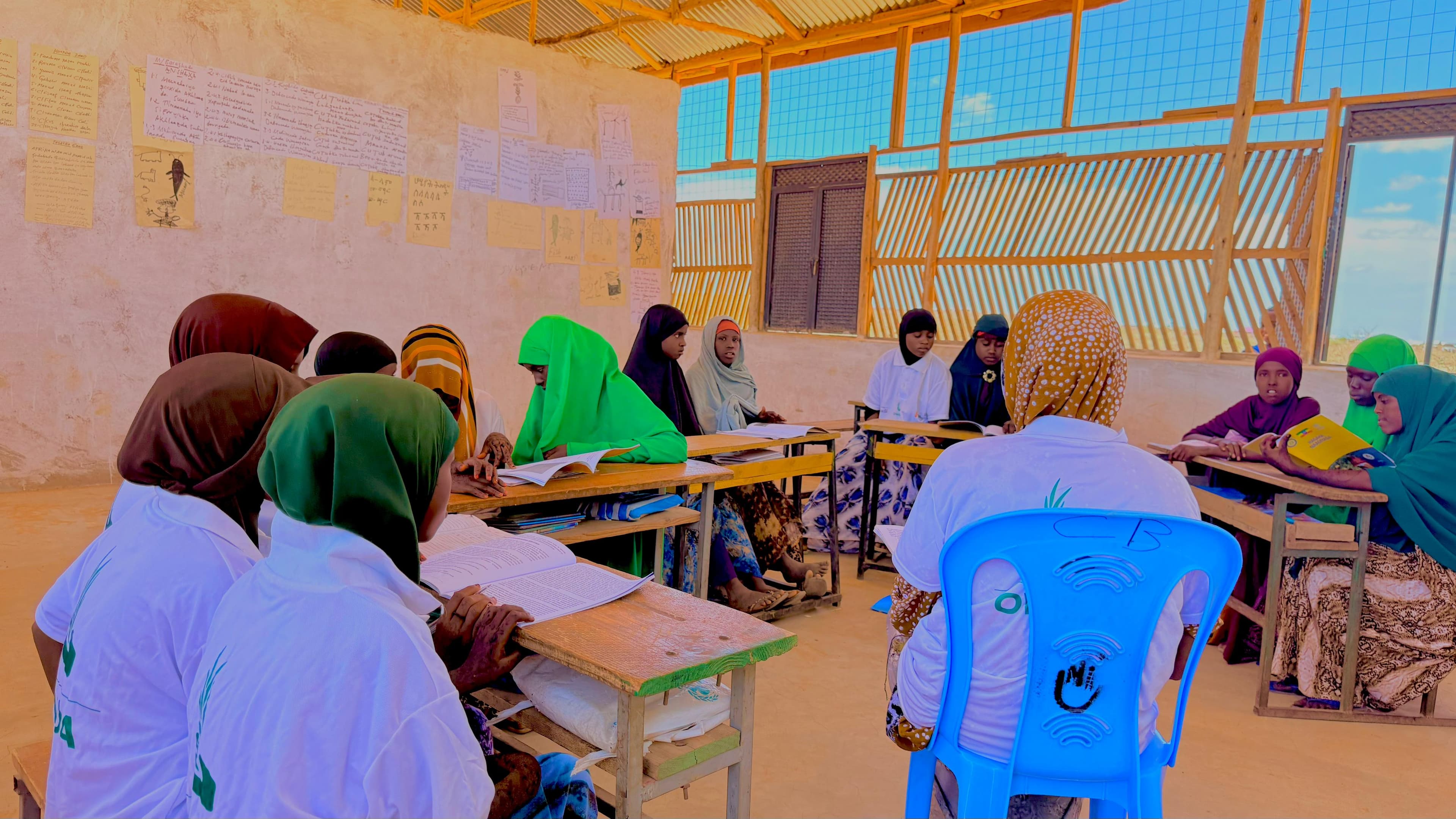
1. The Challenge: Weak Governance, Low Community Ownership, and Barriers to Inclusive Education
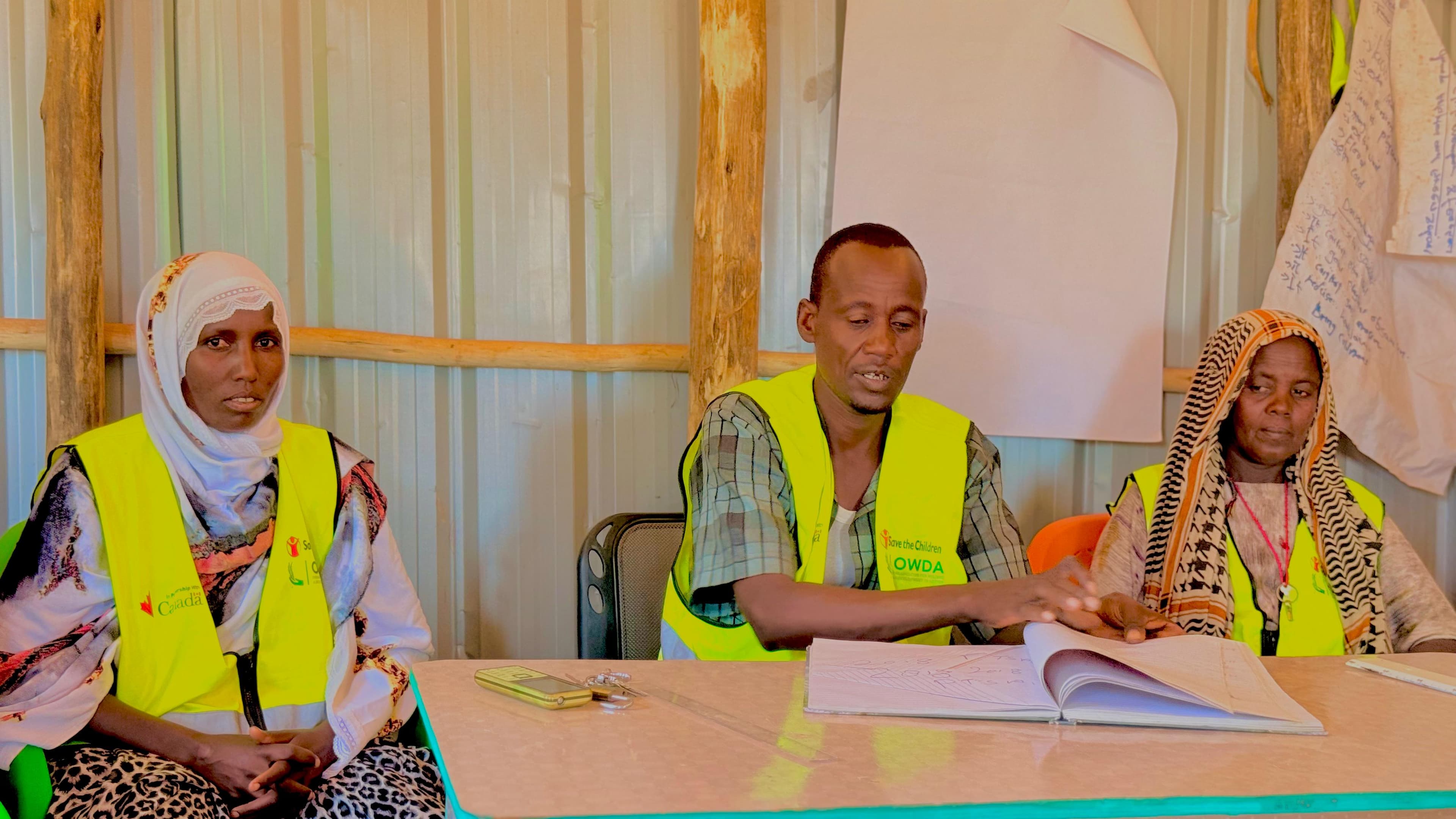
Before October 2023, the Parent-Teacher-Student Associations (PTSAs) in Allan, Darso, Kuraley, and Waladaya Gabarey schools were largely inactive and lacked the capacity to contribute meaningfully to school improvement. Their roles and responsibilities were not clearly understood, their confidence was low, and they did not possess the practical skills required to participate in school planning, support leadership, or advocate for learners' needs. Consequently, school governance remained weak, and community ownership of education was minimal.
These challenges were compounded by several barriers to quality and inclusive learning. Classrooms were overcrowded and in poor condition, limiting children's access to a safe, supportive, and effective learning environment. School compounds lacked proper fencing and infrastructure, leaving learners and school property vulnerable to roaming animals, theft, and structural damage. At the same time, harmful social norms, including gender stereotyping, early marriage, and female genital mutilation (FGM), continued to restrict girls' participation and undermine efforts to create an inclusive and equitable education environment for all children.
2. The Intervention: Driving Sustainable Change through the Brighter Outcomes Ethiopia Project
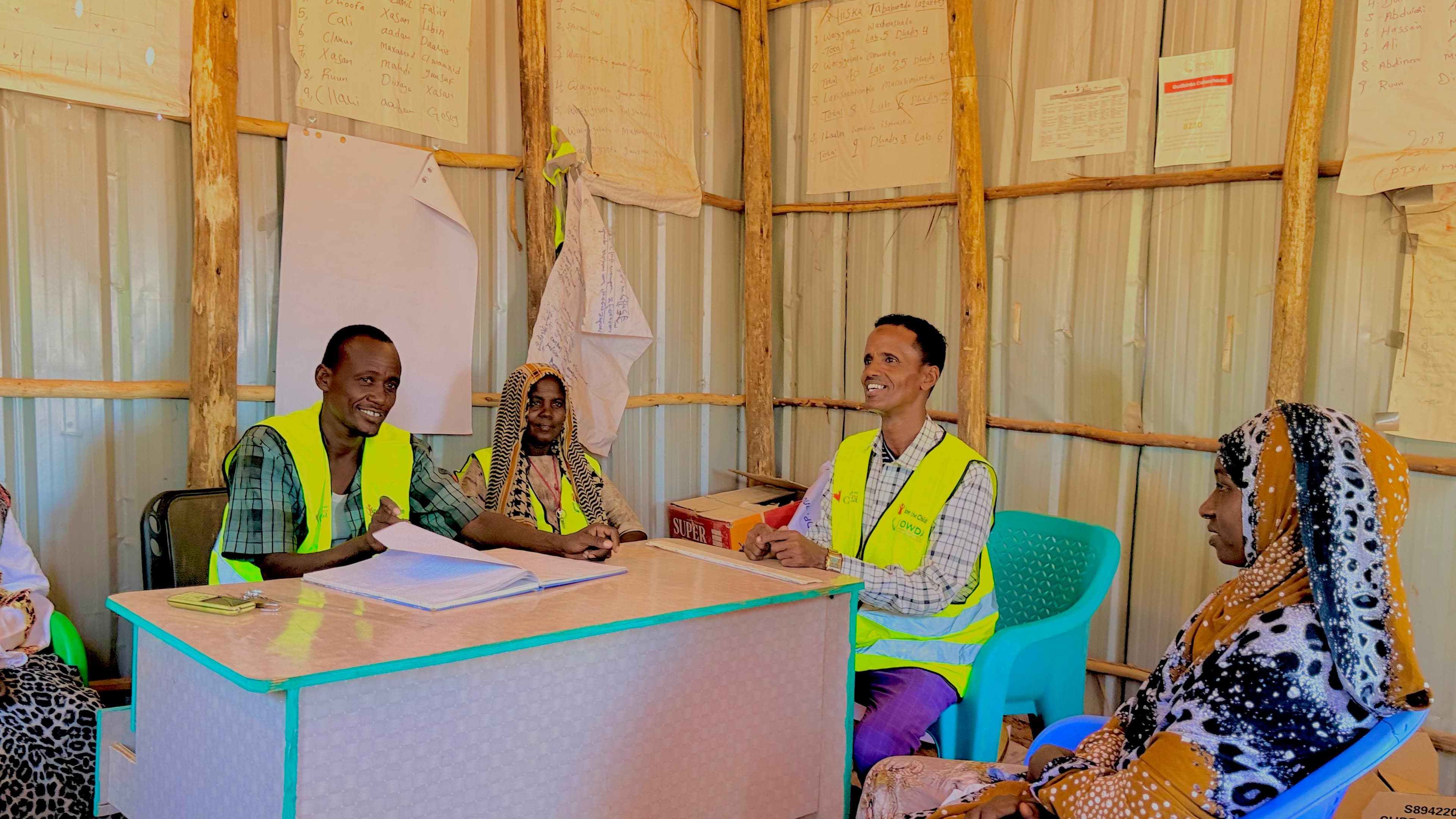
The Brighter Outcomes Ethiopia (BOE) Project (2023–2026), funded by Global Affairs Canada (GAC) and implemented by the Organisation for Welfare and Development in Action (OWDA) in partnership with Save the Children International (SCI), is a transformative initiative designed to strengthen school systems and empower communities to deliver inclusive, equitable, and high-quality education for all children.
A comprehensive Organisational Capacity Assessment (OCA) conducted in the target schools identified significant gaps in PTSA functionality, particularly in leadership, coordination, and community engagement. In response, the BOE project introduced a targeted, practical capacity-strengthening package aimed at transforming PTSAs into effective, accountable, and community-driven institutions capable of supporting and influencing school improvement efforts.
A. Institutional Strengthening and Leadership Excellence
PTSA members received hands-on training in facilitation, structured planning, action tracking, documentation, and transparent decision-making. These capacity-building efforts enhanced their confidence, strengthened their leadership skills, and enabled them to play an active role in school governance. As a result, PTSAs are now contributing more effectively to improved education service delivery.
B. Building Strong Community–System Linkages
The project established inclusive platforms that strengthened collaboration between schools and key stakeholders, including woreda and kebele authorities, parents, youth groups, women's associations, religious leaders, and community elders. These linkages fostered trust, deepened local ownership, and encouraged sustained community engagement in supporting education initiatives.
C. Advancing Inclusion and Positive Social Norms
Through strengthened gender clubs, community dialogue sessions, and the integration of child protection and inclusion messages, PTSA members emerged as advocates for social change. They promoted girls' education, supported vulnerable children, and worked to address harmful practices such as early marriage and Female Genital Mutilation (FGM). Their leadership has helped create safer, more inclusive, and more equitable learning environments for all children.
3. Results, Best Practices, and Evidence of Change
The GAC-funded BOE intervention has brought about a profound and measurable transformation in the effectiveness of Parent‑Teacher‑Student Associations (PTSAs), shifting them from passive, compliance‑focused groups into dynamic, accountable, and results‑oriented leadership structures within the school system.
Across the four target schools, PTSAs have significantly strengthened their ability to identify, prioritize, and respond to key challenges affecting teaching and learning. With newly acquired practical skills and tools, they now lead problem‑solving processes, implement locally driven solutions, and mobilize community resources to address school needs. At the same time, they have adopted more structured approaches to planning, documentation, and performance monitoring, greatly enhancing transparency and accountability.
This shift has generated tangible improvements at the school level. Collaboration among key stakeholders, including school leadership, local government authorities, and communities, has become more coordinated and effective. Decision‑making processes are now more inclusive, timely, and responsive to learners' needs, fostering a renewed sense of community ownership and shared responsibility for education outcomes.
Importantly, PTSAs are now playing a frontline role in promoting safe, inclusive, and protective learning environments. Their efforts have strengthened support systems for vulnerable children, particularly refugees, internally displaced learners (IDPs), and host community students.
Through sustained advocacy and community engagement, PTSAs are also contributing to meaningful social change by advancing girls' education and addressing harmful practices such as early marriage and Female Genital Mutilation (FGM).
“Before the training, we were not actively involved in solving school problems. Now, we meet regularly, discuss challenges, and take action together with the community. We have seen real change in student attendance and participation, especially for girls.”
This experience highlights a powerful and replicable best practice: when community‑based structures are strategically empowered with the right skills, tools, and ongoing support, they become strong drivers of locally owned, sustainable improvements in education systems.
A. Community-Led Infrastructure Development
PTSAs mobilized their communities to improve learning spaces in meaningful and practical ways. At Allan Primary School, religious leaders, traditional elders (ugaas), women's associations, and youth groups came together to raise 200,000 Birr, even in the midst of a severe drought. Their collective effort financed the construction of two temporary classrooms, easing overcrowding and creating a safer, more accessible learning environment for students.
“Seeing our community come together to build classrooms has inspired us all. More children, especially girls, now have a safe place to learn.”
B. Creating Safe, Clean, and Welcoming Learning Environments
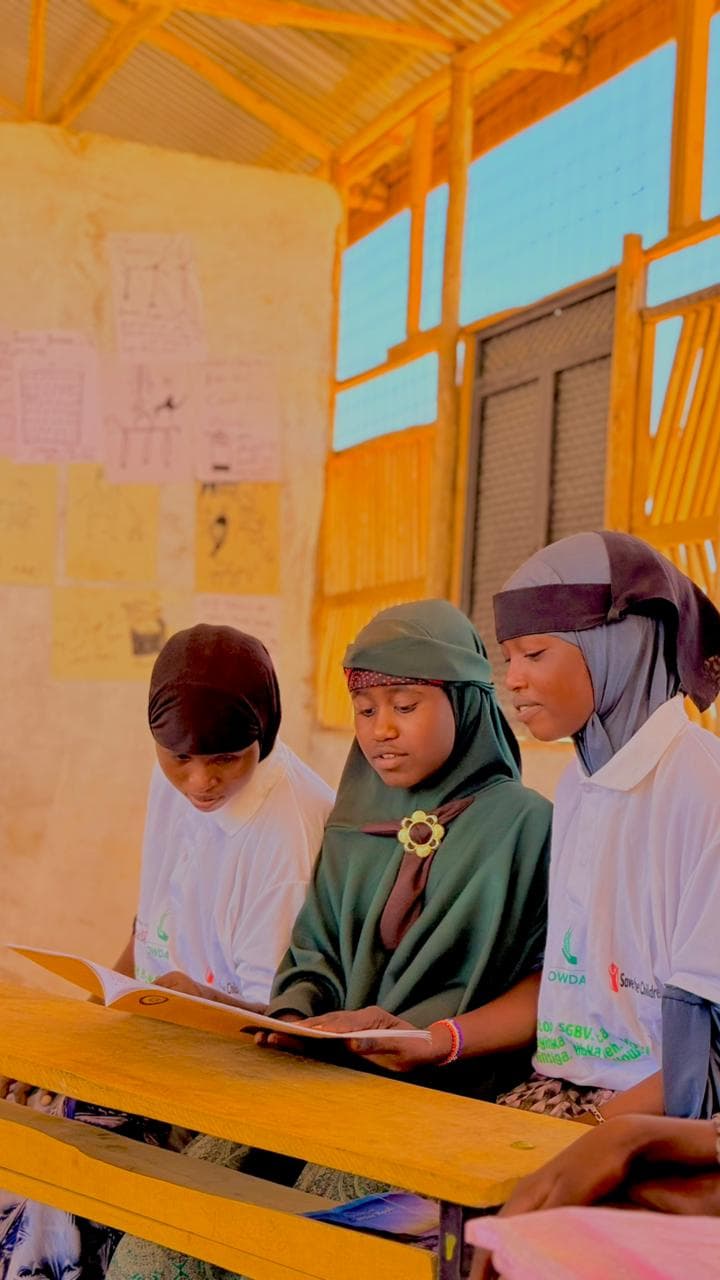
PTSAs have taken proactive ownership of their school environments, leading initiatives that have made campuses safer, cleaner, and more inclusive for all learners. At Kuraley and Waladaya Gabarey, PTSA and gender club members spearheaded school greening campaigns, planting more than 100 nursery trees to provide shade, improve comfort, and enhance the overall appearance of the compounds. They also organized regular cleaning drives, improved waste management, and created safer playgrounds, ensuring that children can learn in a healthy, welcoming, and supportive environment.
Special attention was given to inclusive practices, with deliberate efforts to ensure that girls and vulnerable learners feel safe, respected, and valued within the school community.
“Our school is now safer, cleaner, and more welcoming. Children enjoy coming to school, and we feel proud of what we achieved together as a community.”
Teachers also strengthened their classroom practices following BOE‑supported capacity‑building on literacy and numeracy. This support led to more engaging instruction, improved teaching methods, and increased learner participation across classrooms.
In Kuraley, where no formal water supply exists, the PTSA organised a temporary water provision system by using a donkey cart to fetch water from the Dawa River. This locally driven initiative eased the daily challenges faced by students and ensured that school operations continued with minimal disruption.
In addition, PTSA members actively participated in regular school cleaning campaigns, helping maintain safe, hygienic, and learner‑friendly environments that support children's health, dignity, and overall well‑being.
C. Academic Oversight, Accountability, and Social Advocacy
The PTSA committees have evolved into proactive partners in strengthening educational quality. Working closely with cluster supervisors, they now regularly monitor classroom attendance, teaching practices, and overall school performance, helping ensure that learning outcomes consistently improve for all children. Beyond academic oversight, the committees have become strong advocates for equity and inclusion. They actively challenge harmful gender norms and work to create safe, supportive school environments where boys, girls, and children with special needs can learn, participate, and thrive equally.
“We now play an active role in monitoring classrooms and supporting teachers, while making sure every child feels safe, included, and valued at school.”
4. Conclusion: Why This Is a Strong Best Practice
The GAC-funded BOE project demonstrates that when school communities are equipped with clear roles, practical skills, continuous mentorship, and a shared vision, they can drive meaningful and lasting change. As the project approaches close‑out, the experience provides a compelling best practice: community ownership, reinforced by evidence‑based capacity building, can strengthen governance, mobilize local resources, enhance child protection, and advance inclusive education, even in challenging and resource‑constrained settings.